Managing HR documents across paper files, shared drives, and outdated systems creates daily friction for HR teams. Slow onboarding, misplaced employee onboarding records, inconsistent training documentation, and growing HR compliance risks all stem from disorganized information. These challenges only intensify as organizations scale.
Digitizing HR Records: How to Streamline Onboarding, Training, and Compliance
Topics: HR
How Document Indexing Strategies Impact Searchability and Compliance
In today’s data-heavy enterprises, document indexing strategies for compliance are more than a technical necessity—they’re a cornerstone of both operational efficiency and audit readiness. These strategies directly affect document searchability and ensure regulatory alignment by making files easy to retrieve, authenticate, and trace. Without proper indexing, businesses face an increased risk of audit failures, lost records, and non-compliance penalties.
Topics: document indexing
Cloud vs. On-Premise Document Storage: Which Is Right for Your Organization?
Choosing between cloud and on-premise document storage depends on your organization’s priorities. Cloud systems deliver scalability and remote access ideal for distributed teams, while on-premise setups offer tighter control, security customization, and data sovereignty. Many organizations today find that a hybrid model strikes the best balance between flexibility, compliance, and cost-efficiency.
Topics: document storage
Accounts Payable vs. Receivable: Hidden Costs of Manual Processing
For most businesses, accounts payable (AP) and accounts receivable (AR) are the lifeblood of financial operations. AP tracks what the company owes to suppliers, while AR manages what customers owe to the company. Both functions are critical to maintaining smooth cash flow, yet they are often bogged down by paper-heavy, manual processes that quietly erode profitability.
Topics: accounts payable vs receivable
Understanding the Different Types of EDMS and Their Benefits
Why Choosing the Right EDMS Matters for Your Business
Businesses are handling more documents than ever—contracts, invoices, HR files, compliance records, and countless others. Managing these manually creates risks around security, efficiency, and scalability. To solve these challenges, organizations are increasingly adopting different types of EDMS (Electronic Document Management Systems) to organize, track, and protect critical information.
Topics: Types of EDMS
Why Document Management Still Holds Businesses Back
For many organizations, managing documents remains more challenging than it should be. Misfiled records, slow approvals, and paper-heavy workflows continue to drain productivity and create compliance risks. That’s why businesses are turning to DocuWare, a trusted leader in document management solutions, to regain control of their information.
Topics: DocuWare
Understanding Document Control vs. Document Management—Why the Difference Matters
Many organizations use the terms "document management" and "document control" interchangeably, which can lead to costly misunderstandings. Decision-makers often assume that a standard document management system provides the necessary structure for compliance and operational efficiency, but this isn’t always the case.
Topics: document control
The Role of Document Management Systems in AODA Compliance
In Ontario, the Accessibility for Ontarians with Disabilities Act (AODA) requires organizations to ensure that all digital documents are accessible to individuals with disabilities. This includes a wide range of materials, such as public-facing PDFs and the internal communications that employees depend on daily. However, many organizations—particularly within the public sector—struggle to meet these requirements due to outdated document storage methods, scattered files, and manual accessibility checks that are both time-consuming and prone to errors.
Topics: AODA Compliance
How Accounts Payable Programs Save Time, Reduce Errors, and Boost Control
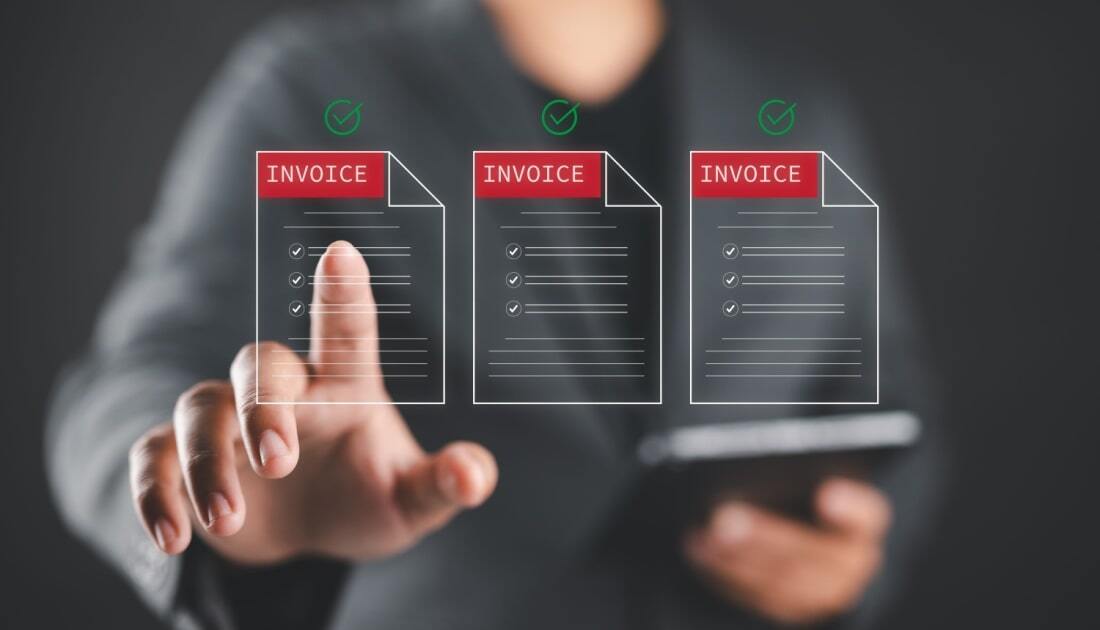
Despite living in a digital-first world, many organizations still rely on outdated, manual invoicing processes. For finance and operations teams, this often means hours lost to data entry, stacks of paper invoices, and constant follow-ups for approvals. These inefficiencies waste valuable time and increase the likelihood of costly errors, delayed payments, and strained vendor relationships.
Topics: accounts payable programs
What Are EMR Systems and How Do They Improve Healthcare Efficiency
If you still rely on paper records, you're likely dealing with slow workflows, misplaced files, and the constant risk of non-compliance. Manual systems make it harder to retrieve patient data quickly, share information between departments, and maintain accuracy in care.
Topics: Digital Transformation in Healthcare, EMR Systems, Healthcare Document Management